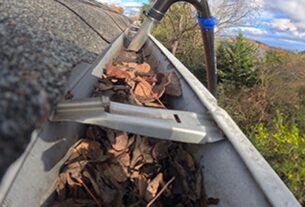


A need for roof repair can become apparent in several ways. You may notice a water stain, missing shingle, damaged flashing, or signs of a recent storm. What matters next is determining whether the problem is isolated or part of a larger roofing issue.
The right solution depends on the source, extent, age, and overall condition of the roof. A professional evaluation can help identify what is actually happening and whether a targeted fix or a larger project makes the most sense.
When Roof Repair May Be the Right Solution
Not every roofing problem means the entire roof needs to be replaced. When damage is limited and the surrounding roofing materials remain in good condition, roof repair may be an appropriate way to address the problem without undertaking a larger project.
A professional evaluation can help determine whether the issue is localized. Potential examples include:
- A small section of missing or damaged shingles
- Localized storm damage
- Damaged flashing around a chimney, vent, or other roof penetration
- A limited leak
- Deterioration confined to a particular section of the roof
The distinction between localized damage and widespread deterioration matters. Repairing one component can make sense when the rest of the roofing system remains serviceable. On the other hand, repeatedly repairing isolated areas may be less practical when multiple parts of an older roof are showing signs of failure.
Homeowners should also remember that the location of an interior water stain does not necessarily reveal where water entered the roof. Moisture can travel beneath roofing materials before becoming visible inside the home.
Why Small Roofing Problems Deserve Attention
A small roofing defect may not immediately create a major problem, but leaving it unaddressed can expose the affected area to continued weather. Water intrusion, wind, and repeated temperature changes can affect roofing materials over time.
This does not mean every minor defect inevitably develops into extensive damage. Instead, it means homeowners have a reason to investigate problems rather than assuming they will disappear.
Some signs that warrant professional attention include:
- Water stains on ceilings or walls
- Missing, cracked, curled, or damaged shingles
- Sagging areas
- Excessive granules collecting in gutters
- Damaged flashing
- Recurring moisture around roof penetrations
- Visible deterioration following severe weather
- An aging roof with several areas of concern
These signs alone do not determine whether roof repair or replacement is necessary. They indicate that the condition of the roofing system should be evaluated before deciding what work is appropriate.
Roof Repair After Storm Damage
Storm-related roofing problems require homeowners to consider more than the visible condition of shingles. Strong winds, hail, falling branches, and other severe weather can affect roofing materials in ways that are not immediately apparent from the ground.
A roof does not necessarily have to leak inside the home for storm damage to exist. Conversely, a ceiling stain does not automatically prove that the entire roof has been compromised.
After severe weather, homeowners can take several practical steps:
- Photograph visible damage when it is safe to do so.
- Keep records of when the storm occurred and when damage was discovered.
- Contact the appropriate insurance provider if a claim may be necessary.
- Arrange a professional assessment of the roof.
- Take reasonable temporary measures to prevent additional property damage when appropriate.
- Keep receipts and documentation related to temporary work.
The New Jersey Department of Banking and Insurance advises homeowners dealing with storm damage to document losses, notify their insurer promptly, and make necessary temporary repairs to protect the property while maintaining records of associated expenses. A homeowner should follow the specific requirements and instructions provided by their insurer before proceeding with permanent work.
This is another reason homeowners should avoid rushing into a major roofing decision immediately after a storm. Documentation and a proper assessment can help establish what happened and what work may actually be necessary.
How Roof Age Changes the Decision
Age is an important consideration, but it should not be the only factor determining whether a roof needs roof repair or replacement.
A relatively newer roof with otherwise healthy materials may have a localized problem that can be addressed without replacing the broader system. An older roof, however, may have deterioration across several areas even when only one problem is currently visible.
Homeowners should consider:
- The age of the roofing system
- The type and condition of the roofing materials
- The extent of existing damage
- The roof’s maintenance and repair history
- Whether problems are isolated or recurring
- The condition of areas surrounding the visible damage
A roof’s age does not automatically make replacement necessary. Likewise, a roof’s relatively young age does not guarantee that a repair is sufficient. The condition of the entire system provides more useful information than age alone.
What to Ask Before Approving Roof Repair
A homeowner does not need to be a roofing expert to ask useful questions. Understanding the diagnosis and proposed scope of work can make it easier to evaluate different recommendations.
Before approving roof repair, consider asking:
- What caused the damage?
- Where is the actual source of the problem?
- Is the damage localized?
- Are surrounding roofing materials still in good condition?
- Is there evidence of moisture beneath the visible surface?
- What exactly will the repair address?
- Is the recommended work temporary or intended as a long-term solution?
- Does the roof have other areas showing significant deterioration?
- Why is repair being recommended instead of replacement, or vice versa?
- What materials and workmanship are included in the estimate?
These questions shift the conversation from simply asking about price to understanding value and scope.
For example, two estimates may have very different prices because they address different problems or include different materials and services. Comparing only the final number can therefore produce an incomplete picture.
Choosing the Right Roofing Contractor
The quality of the diagnosis matters because the recommended solution depends on it. Homeowners should look for a roofing contractor that communicates clearly about the condition of the roof, proposed work, materials, warranties, and project expectations.
It is also reasonable to verify applicable licensing and insurance independently and to request a written estimate before authorizing substantial work. Homeowners should understand the terms of any warranty rather than assuming that every future roofing problem will automatically be covered.
Gasper Roofing provides residential roofing services in South Jersey, including roof repair, roof replacement, re-roofing, and new roof installation. Its residential roofing services cover several roofing materials and systems, including asphalt shingles, cedar shake, slate, metal, and flat roofing.
A contractor’s role should not simply be to recommend the largest available project. A useful evaluation should help the homeowner understand the condition of the existing roof and why a particular scope of work is being proposed.
A Better Approach to Roof Repair Starts With Diagnosis
The most useful roofing decision is rarely based on the most visible symptom. A missing shingle can be obvious, while the condition underneath it may require a closer assessment. A ceiling stain can indicate moisture, but its location may not identify the point where water entered.
That is why roof repair should begin with diagnosis. Homeowners need to understand whether they are dealing with isolated damage, recurring problems, storm-related deterioration, or a broader decline in the roofing system.
A practical approach is to:
- Identify the visible warning signs.
- Have the roof professionally evaluated.
- Determine the likely source of the problem.
- Assess the condition of the surrounding roofing materials.
- Compare the recommended scope with the roof’s age and overall condition.
- Consider insurance requirements when applicable.
- Review the contractor’s qualifications, estimate, materials, and warranty terms.
The objective is not to avoid replacement at all costs or to assume that every problem requires extensive work. It is to choose the solution that appropriately addresses the roof’s actual condition.
For South Jersey homeowners, professional evaluation can provide useful information before committing to roof repair or a larger roofing project. Gasper Roofing offers residential roofing services designed to address repairs, replacements, and other roofing needs.
Ultimately, a smart roofing decision comes down to understanding the problem before choosing the solution. Roof repair can be an effective option when damage is limited, and the broader roofing system remains in suitable condition. When deterioration is more extensive, replacement may warrant consideration. Either way, a careful assessment gives homeowners a stronger foundation for deciding what their home needs next.