

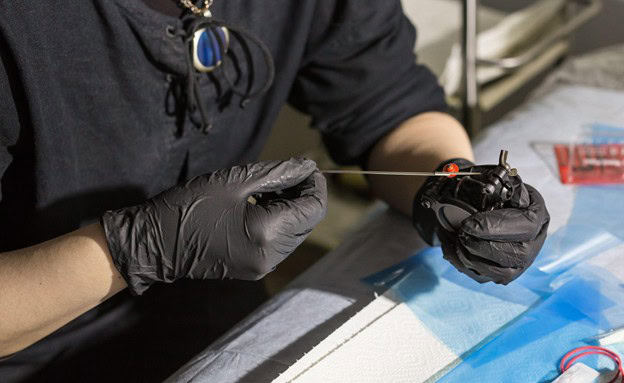
Modern studios increasingly rely on tattoo gloves to safeguard both artwork and client health, and the growing emphasis on disposable protection reflects how seriously the industry now approaches sanitation. In today’s environment, professionalism is measured not only by artistry but also by infection control, surface protection, and post-procedure aftercare standards that align with public health expectations.
The evolution of disposable protection in tattooing is not cosmetic. It represents a structural shift in how studios design workflows, train artists, and protect clients from preventable complications. As equipment standards rise, so does awareness around barrier systems, cross-contamination prevention, and skin-safe materials engineered for recovery support.
Why Disposable Protection Is No Longer Optional
Tattooing involves intentional skin trauma. Anytime the skin barrier is compromised, there is risk. Proper hygiene, sterile needles, and controlled environments are foundational. Yet the layer that often determines the difference between smooth healing and complications is the disposable barrier strategy applied during and after the procedure.
Today’s studios understand that:
- Open wounds require controlled healing environments
- Fluid management reduces infection risk
- External contaminants can compromise fresh ink
- Clients expect visible sanitation protocols
The U.S. Centers for Disease Control and Prevention emphasizes infection prevention principles that apply broadly to body art practices, including proper barrier use and contamination control. While tattooing is regulated at the state level, the foundational hygiene principles remain consistent: prevent exposure, minimize contamination, and maintain sterile conditions.
Disposable protection tools support each of those goals.
The Function of Tattoo Gloves in Aftercare
1. Creating a Controlled Healing Environment
A properly applied tattoo glove acts as a semi-permeable barrier. It allows oxygen exchange while shielding the tattoo from bacteria, dirt, and friction. This balance is critical.
Too much exposure leads to contamination.
Too much occlusion leads to moisture buildup.
Modern film technology solves both challenges by maintaining breathability while protecting the wound site.
2. Reducing Fluid Interference
Fresh tattoos release plasma and excess ink during the initial healing phase. Without adequate protection:
- Clothing can stick to the tattoo
- Bacteria can enter through friction damage
- Scabbing can increase due to repeated disruption
Disposable film reduces mechanical irritation and stabilizes the surface, promoting cleaner healing.
3. Supporting Client Compliance
Aftercare instructions are only effective if clients follow them. A well-applied tattoo glove simplifies aftercare during the first critical days, reducing the need for constant washing and rebandaging. Simplification increases compliance.
Studios that prioritize disposable systems reduce the likelihood of clients unintentionally disrupting the healing process.
The Shift Toward Single-Use Everything
The rise of disposable protection does not stop at film. Modern tattoo studios increasingly integrate:
- Single-use machine covers
- Disposable clip cord sleeves
- Barrier films for work surfaces
- Individually packaged sterile needles
- Disposable ink caps
- Single-use gloves are changed between every task
This layered barrier strategy reflects infection control practices used in healthcare. Cross-contamination is usually caused by multiple minor failures. It is often the result of minor oversights repeated throughout a workflow.
Disposable protection reduces variables.
Regulatory Pressure and Public Expectations
Tattoo regulations vary by jurisdiction, but health departments nationwide emphasize sanitation, sterilization, and barrier methods. Many state guidelines mirror broader infection control recommendations consistent with public health frameworks promoted by organizations such as the Occupational Safety and Health Administration.
Clients are also more informed than ever. Online reviews frequently mention cleanliness, visible safety practices, and professionalism. Disposable protection has become part of a studio’s brand identity.
Studios that visibly prioritize:
- Barrier-wrapped equipment
- Sealed sterile packages opened in front of clients
- Clear aftercare instructions
- Protective film application procedures
signal a higher standard of care.
Material Science Behind Modern Protection
Not all protective films are created equally. Today’s tattoo glove products often incorporate:
- Hypoallergenic adhesives
- Latex-free construction
- Breathable polyurethane layers
- Flexible, stretchable designs
These advancements matter. Adhesive reactions, improper sealing, or poor flexibility can compromise healing or cause skin irritation.
The best protective systems balance:
- Adhesion strength without aggressive removal
- Waterproof sealing without sweat buildup
- Durability for multi-day wear
- Easy application for artists
Innovation in disposable materials has elevated tattoo aftercare from improvised plastic wrap solutions to medically inspired barrier technology.
How Disposable Protection Improves Studio Workflow
Beyond client healing, disposable systems improve operational efficiency.
Consider the impact on workflow:
- Faster turnover between clients
- Reduced surface decontamination complexity
- Clear separation between sterile and non-sterile zones
- Lower risk of accidental cross-contact
Efficiency does not replace sanitation. It supports it. When systems are streamlined, artists can focus on precision and creative execution rather than managing preventable contamination risks.
Studios that integrate comprehensive disposable protection often experience:
- Fewer aftercare complaints
- Lower infection concerns
- Improved client retention
- Stronger professional reputation
Addressing Common Misconceptions
Some clients worry that protective film “suffocates” a tattoo. In reality, high-quality tattoo gloves are engineered to be breathable. It protects without sealing off oxygen exchange completely.
Others assume that plastic wrap alternatives are equally effective. Improvised solutions lack:
- Adhesive reliability
- Breathable membrane design
- Clinical-grade material testing
Professional-grade disposable protection is purpose-built for healing environments, not household convenience.
Disposable Protection as Risk Management
Tattoo studios function in a regulated setting where sanitation performance directly impacts reputation and compliance. Even isolated infection claims can damage credibility.
Disposable protection reduces:
- Legal exposure
- Health complaints
- Negative reviews
- Operational disruptions
Studios that treat barrier methods as foundational rather than optional position themselves as safety-forward businesses.
Risk mitigation is not dramatic. It is systematic.
The Client Experience Factor
Safety influences comfort. Comfort influences trust. Trust influences referrals.
When clients observe:
- Artists changing gloves frequently
- Surfaces wrapped in barrier film
- Sterile packaging opened before procedures
- Protective film applied carefully post-session
confidence increases.
Disposable protection becomes part of the overall studio narrative, where artistry and responsibility coexist.
The Future of Tattoo Sanitation Standards
As the industry matures, disposable systems will likely continue to evolve. Advancements may include:
- Enhanced antimicrobial film coatings
- Longer-wear breathable membranes
- Biodegradable barrier materials
- Improved adhesive technologies for sensitive skin
Sustainability conversations are also entering the tattoo space. Balancing single-use hygiene with environmental responsibility will shape the next phase of innovation.
However, one reality remains unchanged: infection prevention and professional sanitation are non-negotiable.
Why Modern Studios Prioritize tattoo gloves
In a competitive industry, differentiation often comes down to execution. Talent brings clients in. Safety standards keep them coming back.
Tattoo gloves represent more than a disposable product. It reflects:
- Commitment to client health
- Alignment with public health principles
- Operational discipline
- Professional accountability
Modern tattoo studios are redefining expectations by integrating disposable protection into every phase of the process, from setup to healing.
As equipment standards rise, disposable protection will remain central to the conversation. This is not due to its popularity, but rather because it is a practical solution.
The studios that understand these concepts are not simply following industry changes. They are leading them.


